
When it comes to expanding your home with extra living space, two popular options often come to mind: conservatories and sun rooms. Both provide a unique way to enjoy the beauty of the outdoors from the comfort of your home, but they serve different purposes and offer distinct benefits. In this blog, we’ll explore the key differences between a conservatory and a sun room, helping you make an informed decision about which option is best suited for your needs and lifestyle.
Design and Structure
The design and structure of conservatories and sun rooms are what set them apart most noticeably.
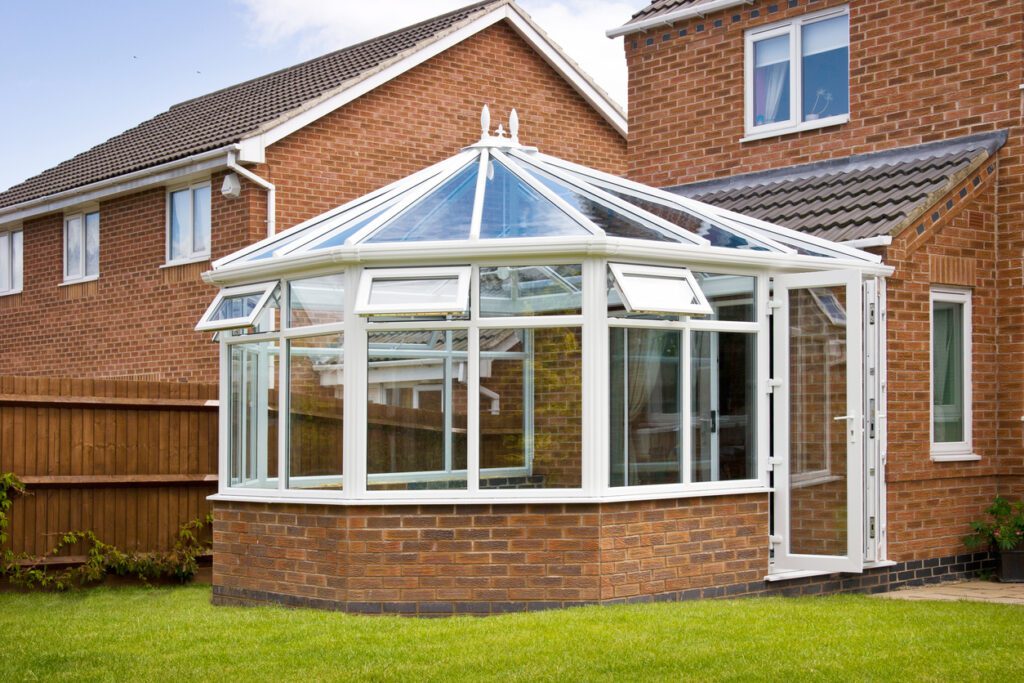
Conservatories are traditionally designed with a high ratio of glass in both the walls and the roof, creating a bright, open space that offers panoramic views of your garden. The classic conservatory often features a pitched roof and can come in various styles such as Victorian, Edwardian, or lean-to. This design makes them an ideal choice for those who want to feel connected to the outdoors, even when inside.
Sun rooms, on the other hand, are typically designed to blend more seamlessly with the existing architecture of your home. They usually have solid, insulated roofs and large windows that allow ample natural light while providing better insulation than a conservatory. The structure of a sun room is more like an extension of your home, offering a comfortable, usable space throughout the year, regardless of the weather outside.
Materials Used
The materials used in the construction of conservatories and sun rooms further highlight their differences.
Conservatories are predominantly made from glass, often with frames constructed from uPVC, aluminium, or wood. The glass used is usually double-glazed to provide some level of insulation, but the large amount of glass can still lead to heat loss in the winter and gain in the summer. The choice of frame material can affect both the aesthetics and the thermal efficiency of the conservatory.
Sun rooms, in contrast, are built using a combination of materials that offer better insulation and durability. The walls of a sun room are typically constructed from the same materials as your home, such as brick or siding, ensuring a cohesive look. The windows are usually double or triple-glazed for superior energy efficiency, and the roof is solid and insulated, often matching the roofing material of the main house. This construction ensures that sun rooms maintain a stable temperature, making them a more comfortable and energy-efficient option year-round.
Functionality and Purpose
When it comes to functionality and purpose, bespoke sun rooms and conservatories cater to different needs. Conservatories are often used as light-filled garden rooms, perfect for enjoying views of the outdoors, growing plants, or creating a stylish dining area. Their primary appeal lies in the abundant natural light and the feeling of being close to nature. In contrast, sun rooms are designed as versatile, all-season living spaces that can serve various functions, such as living rooms, home offices, playrooms, or hobby spaces. Their more insulated structure makes them suitable for everyday use, providing a comfortable environment regardless of the weather.
Adding Value To Your Home
Both conservatories and sun rooms can increase the value of your home but in different ways. A conservatory can add aesthetic appeal and a unique living space that may attract potential buyers looking for a picturesque garden room. However, the energy costs and maintenance needs might deter some. Sun rooms, with their practicality and year-round usability, often offer broader appeal. They add valuable square footage that can be used for a variety of purposes, making the home more versatile and functional.

Can They Both Be Used Year-Round?
While both conservatories and sun rooms can be used throughout the year, their usability varies significantly with seasonal changes. Conservatories, due to their extensive glass surfaces, may require additional heating in the winter and cooling in the summer to remain comfortable, which can limit their practicality during extreme weather conditions.
Sun rooms, designed with solid roofs and insulated walls, offer a more consistent and comfortable environment year-round.
Choosing the Right Option for Your Home
Deciding between a conservatory and a sun room ultimately depends on your specific needs, preferences, and how you envision using the additional space. If you dream of a light-filled area that brings the outdoors in, and you enjoy gardening or simply basking in natural light, a conservatory might be the perfect choice. Its elegant design and panoramic views can provide a serene retreat within your home, ideal for relaxation or entertaining guests in a picturesque setting.
On the other hand, if you are looking for a versatile, all-season living space that integrates seamlessly with your home, a sun room could be the better option. They can serve a multitude of purposes, from a cosy family room to a productive home office, all while maintaining energy efficiency.
Give our team a call today and book a free consultation for your home.