
As winter grips the North East and heating systems kick into full gear, many homeowners notice a sharp rise in their utility bills. While energy prices continue to fluctuate, one thing remains certain, the condition of your windows and doors plays a huge role in how efficiently your home retains heat.
If you’ve been wondering why your house still feels cold even with the heating on, it’s time to look closer at your home’s insulation. Poorly sealed windows and outdated doors could be the silent culprits behind your rising energy costs.
Why Insulation Starts with Windows and Doors
Windows and doors are often overlooked when it comes to insulation, yet they’re responsible for up to 25–30% of a home’s heat loss. Tiny gaps, warped frames, or single glazing can allow warm air to escape and cold draughts to creep in, forcing your boiler to work harder and your bills to climb higher.
Modern double glazing and composite doors act as thermal barriers. Their advanced materials prevent heat from escaping and help maintain a steady indoor temperature throughout the colder months.
For older properties, replacing outdated timber frames or thin glass with energy-efficient UPVC windows or triple-glazed units can dramatically reduce heat loss and improve comfort.

How Windows Affect Your Energy Bills
Your windows are one of the biggest contributors to a home’s overall energy performance. If they’re single-glazed, ill-fitted, or decades old, they’re likely leaking heat, and money, every day.
Double glazed windows feature two panes of glass separated by an insulating air or gas layer. This structure minimises heat transfer, keeping your rooms warmer for longer. Opting for Planitherm windows or similar advanced glazing can further boost your property’s energy efficiency, helping reduce heating demand during the coldest months.
Old frames made from wood or aluminium without proper seals can also lead to unwanted draughts. By choosing UPVC windows, you get better insulation, long-term durability, and low maintenance, ideal for homes across the North East’s changing weather conditions.
The Role of Doors in Home Insulation
While windows often take the spotlight, front doors and back doors are equally critical. Every time you step through your door, a portion of your home’s warmth can escape. Older wooden doors with worn seals or gaps around the frame let cold air in, creating uncomfortable draughts and uneven temperatures.
Modern composite doors solve this problem by combining multiple materials, including a solid core, insulating foam, and glass-reinforced plastic, to provide excellent thermal insulation. These doors improve security but also help to keep your home warm, quiet, and energy efficient.
If your current door feels cold to the touch or you can see daylight around its edges, it might be time to upgrade. Replacing it with a composite front door can instantly improve your home’s insulation and lower heating costs.
Understanding Draughts and Heat Loss
Even small air leaks around your windows and doors can make a noticeable difference to your comfort, and your heating bills. When warm air escapes, your heating system compensates by running longer and harder, using more energy in the process. This constant cycle leads to higher costs and unnecessary strain on your boiler.
Adding draught proofing around window frames and replacing worn-out seals can provide quick wins for efficiency. However, if your property still feels cold after simple fixes, investing in replacement windows or new external doors may be the most cost-effective long-term solution.
The Benefits of Modern, Energy-Efficient Designs
Upgrading your windows and doors is about more than just comfort, it’s a smart investment in your property. Energy-efficient products help:
- Lower energy bills by keeping warmth inside
- Increase your home’s value and appeal to future buyers
- Improve security with advanced locking systems
- Reduce condensation and protect your interiors
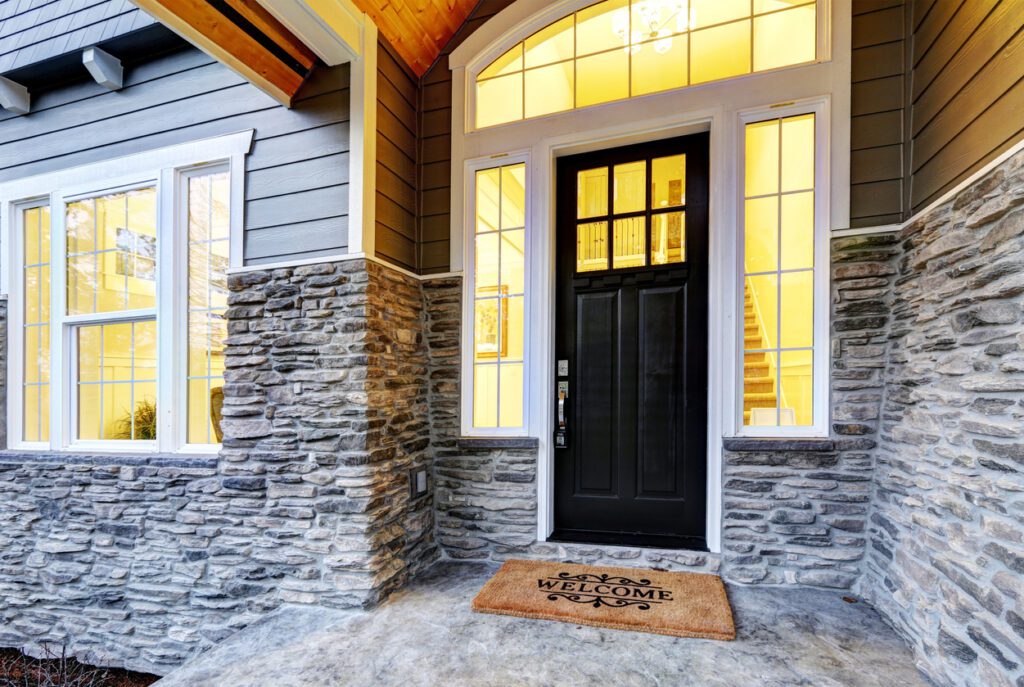
When combined, modern windows and doors create a thermal envelope that keeps your home’s temperature stable year-round. Many homeowners in the North East have already seen noticeable savings within the first few months after installation.
Small Changes, Big Savings
If you’re not ready for a full replacement, there are still simple ways to make your home more efficient.
- Close curtains at night to trap warmth.
- Seal gaps with weatherstripping or silicone.
- Install draft excluders on external doors.
- Schedule an inspection to assess your insulation performance.
However, for maximum energy savings and long-term comfort, replacing outdated windows and external doors remains the most effective solution.
Ready to Improve Your Home’s Insulation?
As temperatures drop and energy bills rise, now is the perfect time to prepare your home for winter. Upgrading to modern, energy-efficient windows and doors could make all the difference, reducing heat loss, improving comfort, and saving you money every month.
At Active Windows & Doors, we supply and install UPVC, composite, and aluminium doors and windows designed for performance and durability across the North East.
Get in touch today for a free quote and discover how much you could save with better home insulation.